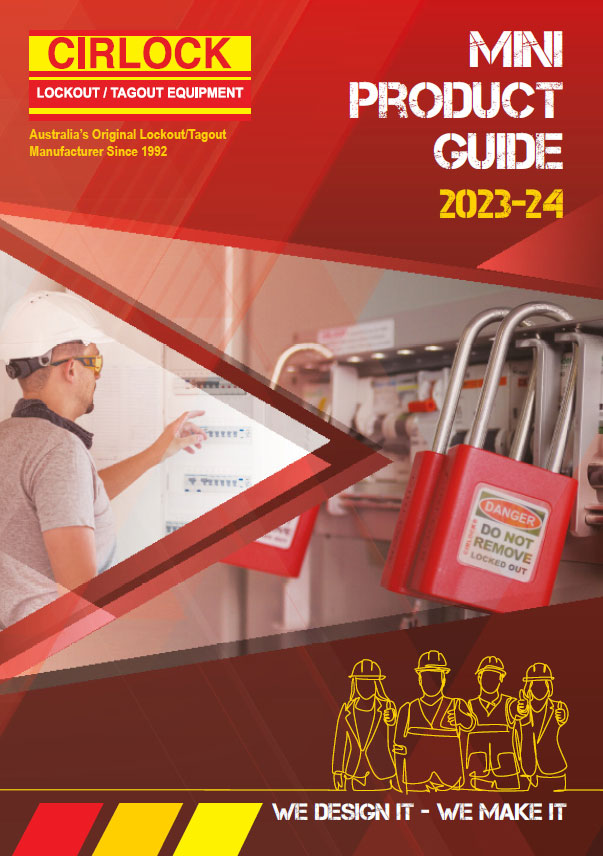

Lock. Tag. Test. Every Time.
The Electrical Safety Commissioner, Keith McKenzie’s July 2026 Communiqué reinforces a simple message: effective isolation saves lives!
The Queensland Electrical Safety Commissioner’s Communiqué delivers a clear reminder to every electrical worker, contractor and employer: safe isolation must never be taken for granted.
One of the strongest themes throughout the communiqué is the importance of effective Lockout Tagout (LOTO) procedures and ensuring electrical equipment is fully isolated before work begins. Despite ongoing awareness, incidents involving electric shock and arc flash continue to occur because equipment has not been isolated correctly or workers have failed to verify it has been de-energised.
Safe isolation isn’t simply industry best practice—it’s a legal obligation.
Your Legal Duties
In Queensland, electrical workers and businesses have a duty to eliminate or minimise electrical risks so far as is reasonably practicable under the Electrical Safety Act 2002 (Qld) and the Electrical Safety Regulation 2024 (Qld).
These obligations are supported by the Managing Electrical Risks in the Workplace Code of Practice 2024, which recommends that electrical equipment be isolated before work commences and that effective controls are implemented to prevent inadvertent re-energisation.
The Code makes it clear that, wherever electrical work can be performed de-energised, it should be.
That principle aligns closely with the Commissioner’s July 2026 safety message.
Isolation Starts Before the Job
Safe isolation begins long before anyone reaches for a lock or tag.
Every maintenance, servicing or repair task should begin with careful planning. Workers should identify every potential energy source—not just the main electrical supply.
Modern workplaces may include multiple sources of stored or generated energy, including:
- Solar photovoltaic (PV) systems
- Battery Energy Storage Systems (BESS)
- Generators
- Uninterruptible Power Supply (UPS) systems
- Alternative or backup power supplies
Failing to identify every energy source can leave workers exposed to serious electrical hazards, even after the main switch has been turned off.
Isolate Upstream Wherever Practicable
The Commissioner also emphasises the importance of isolating upstream wherever practicable.
Rather than simply switching off the circuit being worked on, isolating at the safest upstream point can reduce the likelihood of accidental re-energisation and help minimise exposure to arc flash hazards.
Achieving safe isolation requires planning, understanding the installation and selecting the correct isolation point before work begins.
Secure the Isolation
Once equipment has been isolated, the next critical step is ensuring it cannot be inadvertently re-energised this is where lockout devices come in. They provide a physical barrier that helps prevent accidental or unauthorised operation of an isolation point while work is in progress.
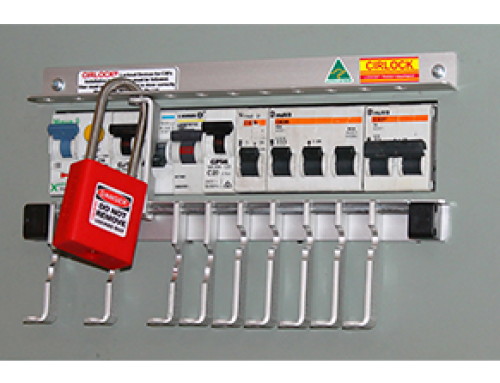
The Managing Electrical Risks in the Workplace Code of Practice 2024 recommends that isolation points be secured using a warning tag and a suitable locking device whenever the worker does not have the isolation point under their sole effective control. Isolation devices should be locked in the OFF position wherever practicable, using purpose-designed lockout devices for switches, circuit breakers, fuse holders and other energy isolation points.
Where multiple workers are involved, each person should apply their own personal padlock to the isolation point, safety hasp or group lock box. This ensures the equipment cannot be returned to service until every worker has completed their task and removed their own lock, maintaining personal control over their own safety.
Lock. Tag. Test.
The Commissioner’s advice can be summarised in three simple words:
Lock. Tag. Test.
An effective Lockout Tagout procedure should include:
- Consulting with affected workers.
- Identifying all hazardous energy sources.
- Disconnecting all active conductors where required.
- Applying a personal safety padlock and warning tag to every isolation point.
- Testing to verify the equipment is de-energised before work begins.
Perhaps the most important reminder is this:
Locking and tagging alone is not enough. Always test before you touch.
Supporting Effective Isolation with the Right Equipment
Having documented procedures is an essential part of an effective Lockout Tagout program, but procedures alone are not enough.
Workers need reliable, purpose-designed equipment that allows isolation procedures to be carried out safely, consistently and efficiently — particularly during complex maintenance tasks where multiple workers, isolation points or energy sources may be involved.
At Cirlock, we have been helping Australian industry improve workplace safety for more than 30 years with practical Lockout Tagout solutions designed to support effective isolation practices.
Some of the equipment that helps workplaces establish and maintain effective lockout procedures includes:
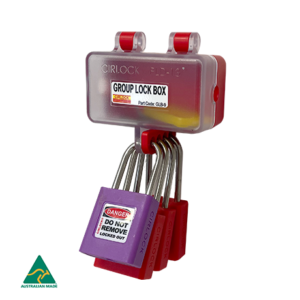
Group Lock Boxes – GLB-9
For situations where multiple workers are involved in a single isolation procedure, the GLB-9 Group Lock Box provides a controlled method of managing group lockout.
Once isolation points have been secured, keys can be placed inside the lock box, allowing each authorised worker to apply their own personal safety padlock before commencing work.
This ensures every worker maintains personal control over their safety throughout the task and prevents equipment from being re-energised until all personal locks have been removed.
Safety Lockout Hasps – SLH-42
The SLH-42 Safety Lockout Hasp allows multiple workers to apply their personal padlocks to a single isolation point.
If one worker remains on the job, the isolation remains secured — ensuring equipment cannot be returned to service until every person has completed their work and removed their own lock.
This simple but effective device helps reinforce one of the most important principles of Lockout Tagout: one person, one lock, one key.
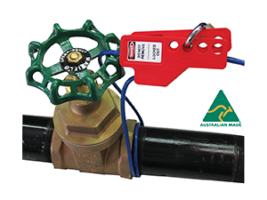
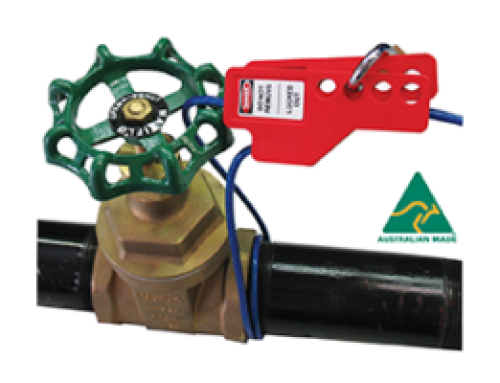
Multi-Function Cable Lockout – MFL-2
The MFL-2 Multi-Function Cable Lockout provides a flexible solution for isolating multiple energy sources where traditional lockout devices may not be suitable.
Its adjustable cable design allows workers to secure a range of isolation points, helping workplaces manage more complex equipment and reduce the risk of unintended energisation.
By providing workers with dedicated Lockout Tagout equipment helps make safe isolation simpler, more consistent and better aligned with legislative requirements and recognised industry practices.
Australian Standards Reinforce Safe Isolation
Australian Standards also reinforce the importance of safe isolation and verification.
AS/NZS 4836 – Safe Working on or Near Low-voltage Electrical Installations and Equipment sets out guidance for safely working on or near low-voltage electrical installations. Among other recommendations, it addresses isolation, securing the isolation against inadvertent reconnection, verifying de-energisation and the use of appropriate personal protective equipment where required.
Together with workplace procedures and risk assessments, these measures form the foundation of an effective Lockout Tagout program.
Personal Control Matters
One of the fundamental principles of Lockout Tagout is personal control.
Each worker should apply their own personal safety padlock to every isolation point they rely on and remove it only once their work is complete and they are clear of the equipment.
That lock should only be removed by the person who applied it once their work has been completed and they are clear of the equipment, except where documented emergency or management procedures permit otherwise.
This simple principle helps prevent unexpected re-energisation and protects everyone involved.
More Than Compliance
Lockout Tagout is about far more than complying with legislation.
Every correctly applied lock.
Every warning tag.
Every verified isolation.
Each one helps prevent:
- Electric shock
- Arc flash injuries
- Equipment damage
- Production downtime
- Serious workplace incidents
Strong Lockout Tagout procedures also demonstrate due diligence, support a positive safety culture and contribute to continuous improvement across the workplace.
The Takeaway
The Queensland Electrical Safety Commissioner’s July 2026 Communiqué reinforces a message the electrical industry should continue to champion:
If the work can be performed de-energised, it should be. Lock. Tag. Test. Every Time.
By implementing disciplined isolation procedures, complying with Queensland electrical safety legislation, following recognised Australian Standards and providing workers with quality Lockout Tagout equipment, businesses can significantly reduce risk and help create safer workplaces.
For more than 30 years, Cirlock has supported Australian industry with practical Lockout Tagout solutions. We believe the right procedures, the right equipment and the right safety culture all work together to achieve one goal:
At the end of every job, the most important outcome isn’t restoring power—it’s making sure every worker goes home safely.
If you’d like to read The Commissioner for Electrical Safety’s full Communique – Click Here
Key Legislative and Reference Documents
- Guide for Isolation and Lockout Procedures
- Electrical Safety Act 2002 (Qld)
- Electrical Safety Regulation 2024 (Qld)
- Managing Electrical Risks in the Workplace Code of Practice 2024
- AS/NZS 4836 – Safe Working on or Near Low-voltage Electrical Installations and Equipment
- Work Health and Safety Act 2011 (Qld)
- Work Health and Safety Regulation 2011 (Qld)